
PRODUCT INFORMATION

PCD End Mill & Form Cutter Manufacturer

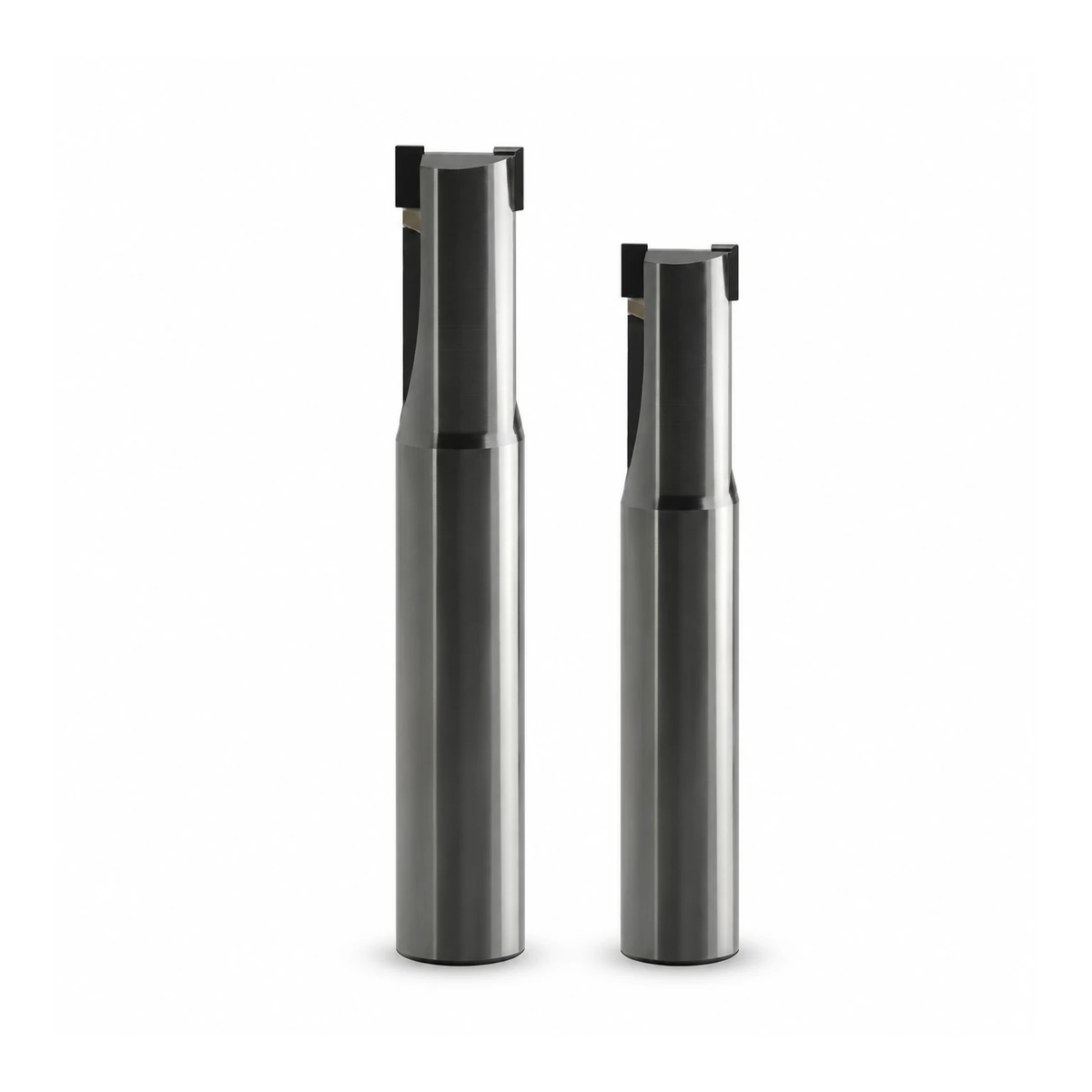
Source PCD end mills and form cutters from the MicroDrill factory. Compare PJM/PRX sizes and order codes, or send a drawing for custom manufacturing.

Review PCD end mills and form cutters for suitable high-silicon aluminum, copper alloys, graphite and composite workpieces. Compare the published PJM and PRX sizes below.

PCD Polycrystalline Diamond End Mill

PCD end-mill geometry matched to slots and profiles. Final geometry, dimensions and machining conditions are confirmed against the drawing and application.

  • Typical materialsHigh-silicon aluminum · Copper alloys · CFRP / GFRP · Graphite
  • ApplicationHigh-silicon aluminum side milling and profiling
  • Tooling focusPCD end-mill geometry matched to slots and profiles
  • ConfigurationStandard or drawing-led dimensions; grade, geometry and inspection requirements are confirmed for the application.
MicroDrillTools · Product information

Product overview

PCD End Mills & Cutting Tools covers a range of precision machining needs. Tool type and geometry are reviewed against the workpiece material, operation, part features and quality targets. Use the thumbnails above to explore products in this range.

Final tool specifications and application fit are confirmed through drawing review and the actual machining conditions.

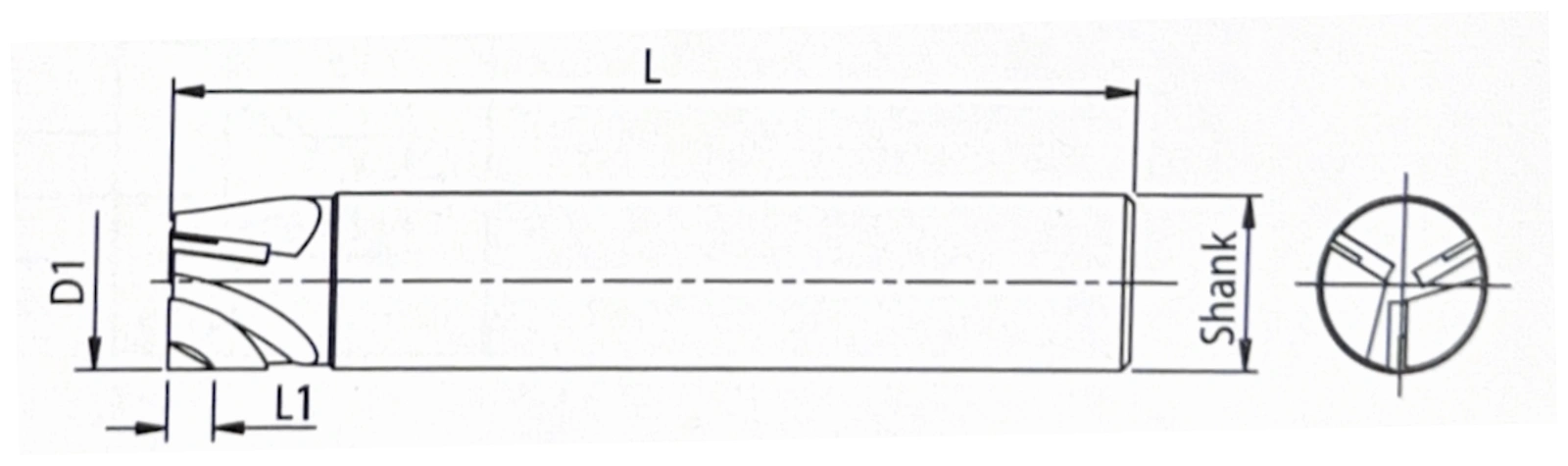
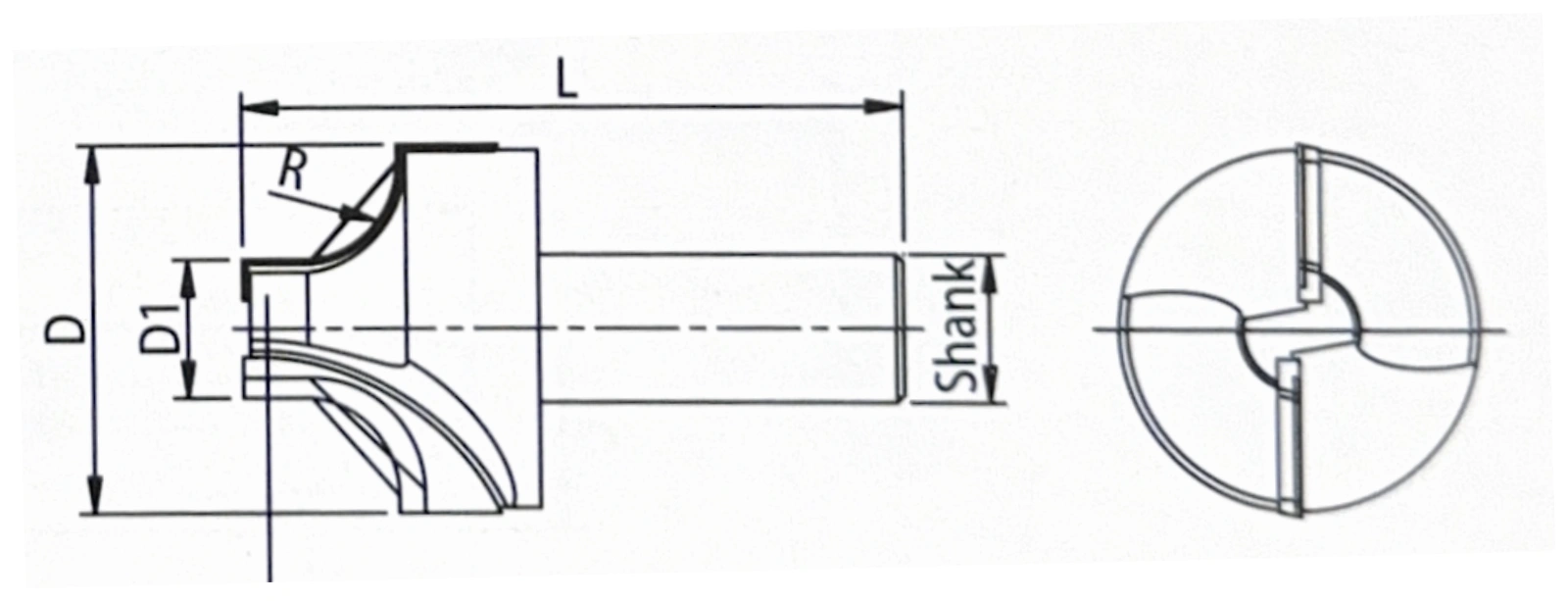
PCD finishing and radius form cutter specifications

PJM lists finish milling cutters; PRX lists radius form milling cutters. The drawings and order codes below come from the published PCD catalog. Check the workpiece grade and application before choosing a model.

Milling or profiling
Specify workpiece grade, cutting diameter, flute length and shank; add the cutter profile for form work.
PCD drill requests
Send the hole diameter, depth, material and drawing through the custom RFQ. The tables below cover milling cutters.
Request a quote by model or drawing

Product inquiry

Request product details and pricing

Share the material, drawing, operation, quantity and target delivery date so our team can review your request.

Application and capability

A product range shaped around the workpiece.

These application examples and product characteristics follow the supplied company material. Final grade, geometry, inspection points and delivery timing are confirmed for the individual inquiry.

Typical applications

  • High-silicon aluminum side milling and profiling
  • Radius transitions, pockets and sidewalls
  • Curved surfaces and 3D contours
  • Fine lettering, lines and shallow engraving
  • Deep cavities, undercuts and side features
  • High-gloss finishing on suitable non-ferrous materials

Product focus

  • PCD end-mill geometry matched to slots and profiles
  • Bull-nose radius and flute length checked against the part
  • Ball-nose geometry reviewed for 3D contour access
  • Engraving tip angle and line width specified to the drawing
  • Neck and reach checked for deep-cavity access
  • Edge form matched to the requested surface finish

Custom Cutting Tools

Request an engineering review

Custom dimensions available upon request. Subject to engineering review and confirmation.

Requests use the existing inquiry handling. Dimensions are subject to engineering review and confirmation. Privacy notice.

Tool selection and quoting FAQ

What are PCD tools used for?

PCD tools are commonly evaluated for abrasive non-ferrous materials such as high-silicon aluminum, copper alloys, graphite and CFRP/GFRP. The final tool material and geometry should be matched to the workpiece and operation.

Are PCD micro drill bits suitable for composite panels?

PCD micro drill bits can be reviewed for composite panels when hole quality, fiber breakout, laminate stack and tool runout are controlled. Share the stack-up, hole size, machine and required edge quality for a meaningful recommendation.

What materials are PCD cutting tools commonly considered for?

The listed application areas include high-silicon aluminum, copper alloys, CFRP and GFRP composites, and graphite. Suitability depends on the material grade, operation, tool geometry and machine setup.

When should I compare PCD with carbide tooling?

PCD is often evaluated for abrasive non-ferrous materials and composites. Compare the workpiece, operation, surface-quality target, tool life requirements and process conditions before choosing a tool material.

What should I include in a PCD tool inquiry?

Include the exact alloy or composite stack, operation, tool or part drawing, feature dimensions, surface or hole-quality target, machine and holder details, and any current wear or finish issue.

Sourcing tools for resale or batch purchasing?

Discuss the product range, your market and purchasing requirements. A specific model can follow.

Start a cooperation enquiry Wholesale & distributor enquiries