
TECHNICAL INSIGHTS · October 26, 2026
PCD End Mills for High-Silicon Aluminum: A Selection Checklist
How to evaluate PCD end mills for high-silicon aluminum, including grade, geometry, runout, finish targets and inquiry details.
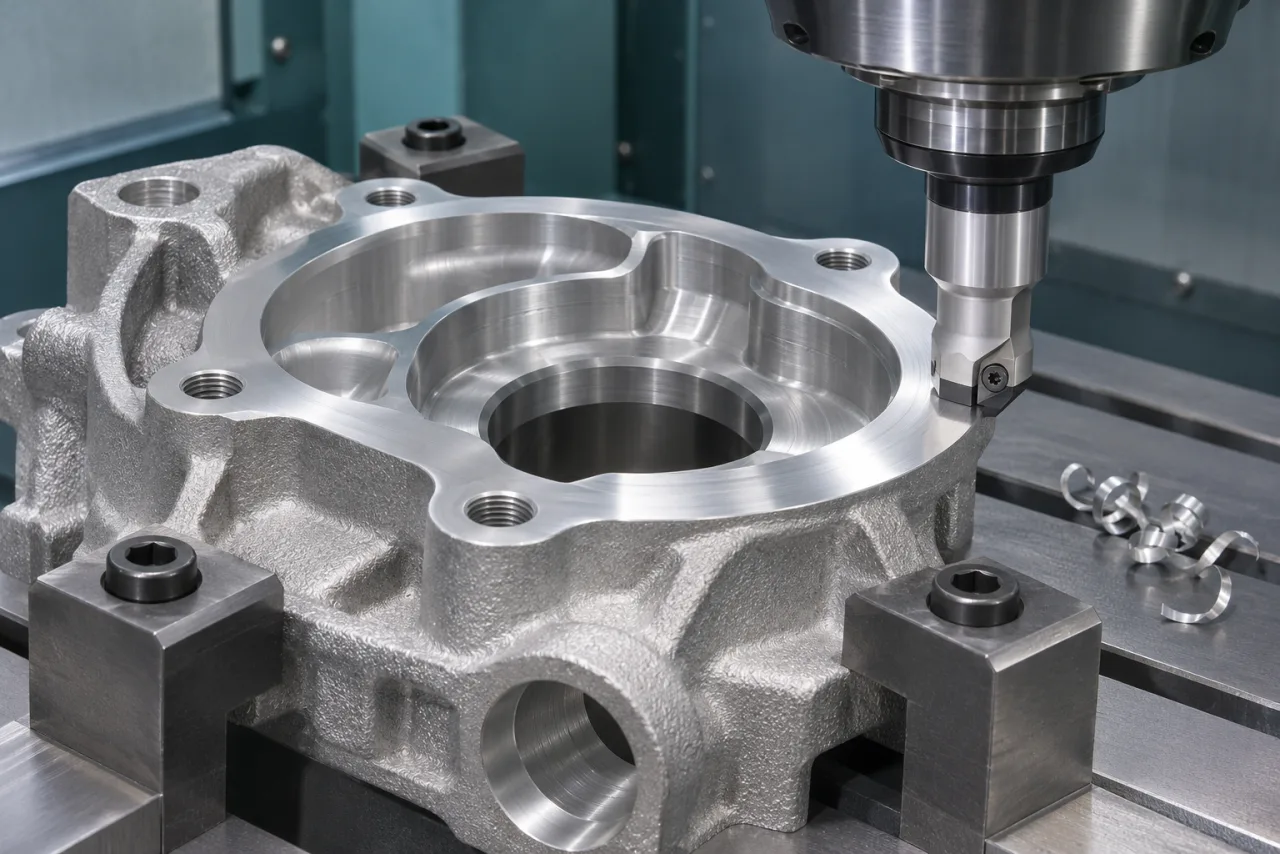
Quick answer: PCD end mills are usually evaluated for high-silicon aluminum when abrasive silicon particles shorten carbide tool life or when a stable surface finish is required over a longer run. The correct result depends on diamond grade, edge geometry, runout, coolant and the actual alloy.
Why high-silicon aluminum changes tool selection
High-silicon aluminum is lightweight and productive, but its abrasive phase can wear a conventional carbide edge quickly. A PCD cutting edge offers a wear-resistant option for milling, profiling and finishing when the process is set up around the workpiece rather than a generic catalogue diameter.
Four checks before choosing a PCD end mill
1. Confirm the alloy and silicon content
Share the exact alloy, heat treatment and any casting or coating condition. Two aluminum parts can produce very different edge wear and chip behavior.
2. Match the geometry to the operation
Slotting, shoulder milling, contouring and finishing need different flute counts, helix angles, edge preparations and corner forms. A tool optimized for finishing may not be the best choice for heavy stock removal.
3. Control runout and workholding
PCD tools can retain a sharp edge for a long time, but runout still concentrates the load on one cutting edge. Check holder condition, tool projection, spindle cleanliness and workholding stability before changing the grade.
4. Define the finish and inspection point
State the surface target, burr limit, dimensional tolerance and inspection method in the inquiry. This gives the tooling team a measurable basis for recommending the edge form and inspection plan.
Typical applications
- Automotive die-cast aluminum components
- Phone housings and precision 3C frames
- Aerospace aluminum parts
- Composite or metal-matrix components with abrasive phases
What to include in a PCD inquiry
Send the part drawing or feature dimensions, material grade, operation, machine and holder details, target quantity, required finish and delivery date. MicroDrillTools can review the application and confirm a practical configuration through its PCD tooling range.
Frequently asked questions
Is PCD always better than carbide for aluminum?
No. PCD is most useful when abrasive wear, surface consistency or production volume justifies the change. For short runs or less abrasive alloys, carbide may remain the economical choice.
Can PCD tools be made to a drawing?
Yes. Diameter, corner radius, flute form, edge preparation and shank details can be reviewed around the part and machine requirements.