
INSERTS & HOLDER INTERFACES · October 26, 2026
PCBN Inserts for Hardened Steel: Hard-Turning Process Guide
A practical PCBN hard-turning guide covering hardness, edge preparation, insert geometry, coolant and process stability.
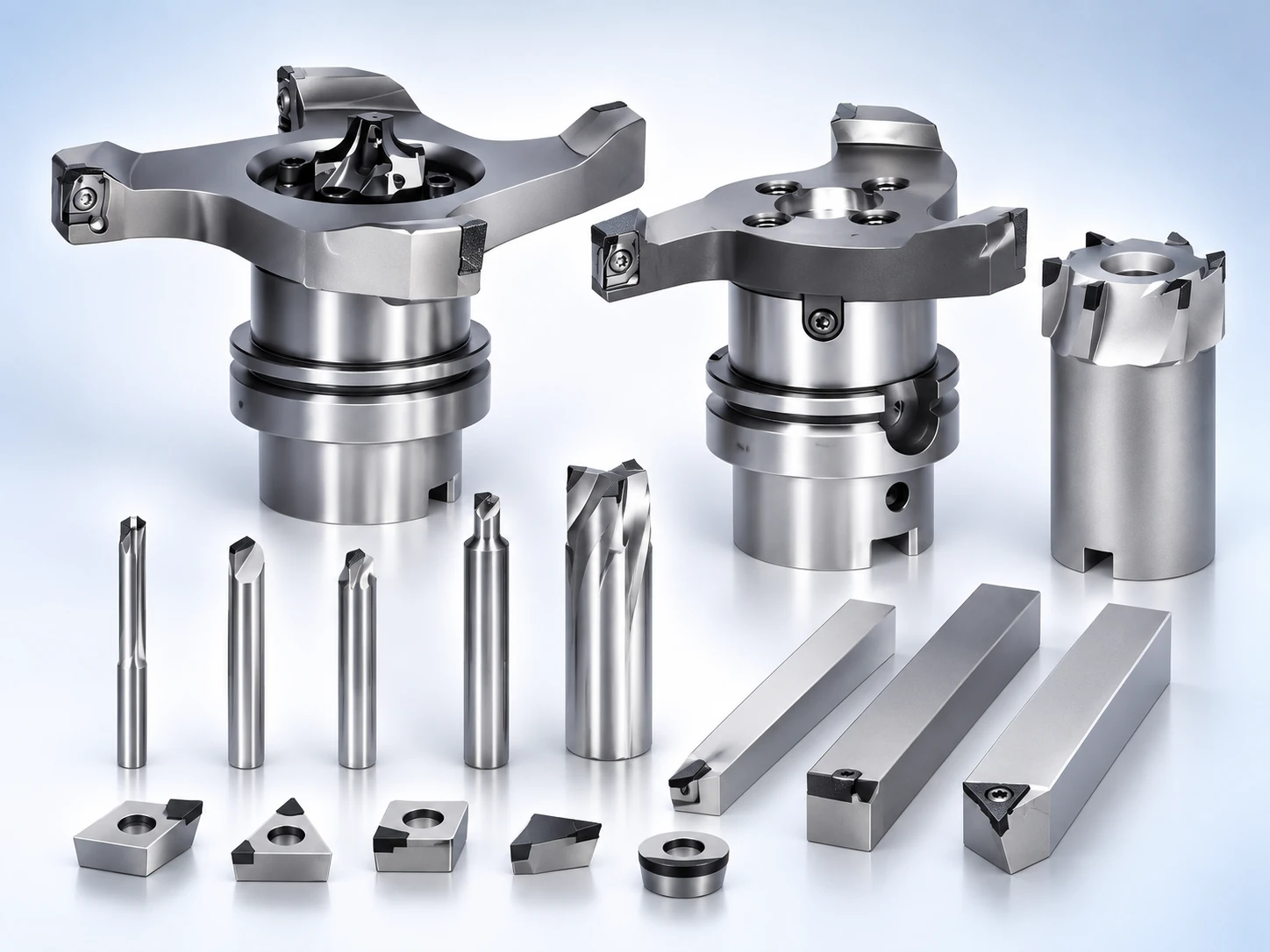
Quick answer: PCBN inserts are considered for hard turning when the workpiece is hardened steel, bearing steel, chilled cast iron or another difficult-to-machine material and the process needs a stable wear-resistant edge. Grade, CBN content, edge preparation and cutting conditions must be matched to the operation.
When PCBN is a practical choice
After heat treatment, many steels become difficult to machine with conventional carbide. PCBN can support repeatable finishing and reduce the need for grinding when the machine, workholding and process control are sufficiently rigid.
PCBN selection checklist
Workpiece hardness and structure
Record hardness, material family, interrupted-cut conditions and any scale or hard spots. Continuous turning of hardened steel and interrupted cast-iron cutting place different demands on the edge.
Cutting edge preparation
A sharp edge can support fine finishing, while a honed or chamfered edge is often preferred for stability. The right preparation balances chipping resistance, cutting force, heat and the target surface.
Insert geometry and clamping
Use a rigid holder, minimize overhang and verify insert seating. Small errors in clamping or runout can create vibration that looks like a grade problem.
Process and coolant strategy
Many hard-turning operations are run dry or with controlled coolant to manage thermal shock. Confirm the machine power, speed, feed, depth of cut and whether the cut is continuous or interrupted before finalizing the recommendation.
Common applications
- Hardened bearing and gear components
- Tool steel and die components
- Chilled cast iron and powder-metal parts
- Hard finishing after heat treatment
How to request a reliable PCBN recommendation
Include hardness, material grade, turning direction, allowance, interruption details, machine and holder information, current insert performance and required delivery timing. The PCBN cutting tools page provides a starting point, while the final configuration is confirmed for the actual application.
Frequently asked questions
Can PCBN replace grinding?
In suitable applications, hard turning can reduce or replace a grinding step, but achievable tolerance and surface quality depend on the machine, part geometry, process stability and inspection method.
What causes early PCBN chipping?
Typical causes include unstable workholding, excessive runout, an edge preparation that is too sharp for an interrupted cut, scale or an unsuitable cutting condition.