
SOLID CARBIDE TOOLING · October 26, 2026
Carbide Micro Drills for 3C Parts: Hole Quality Checklist
A process checklist for carbide micro drills covering hole geometry, materials, runout, chip evacuation and inspection.
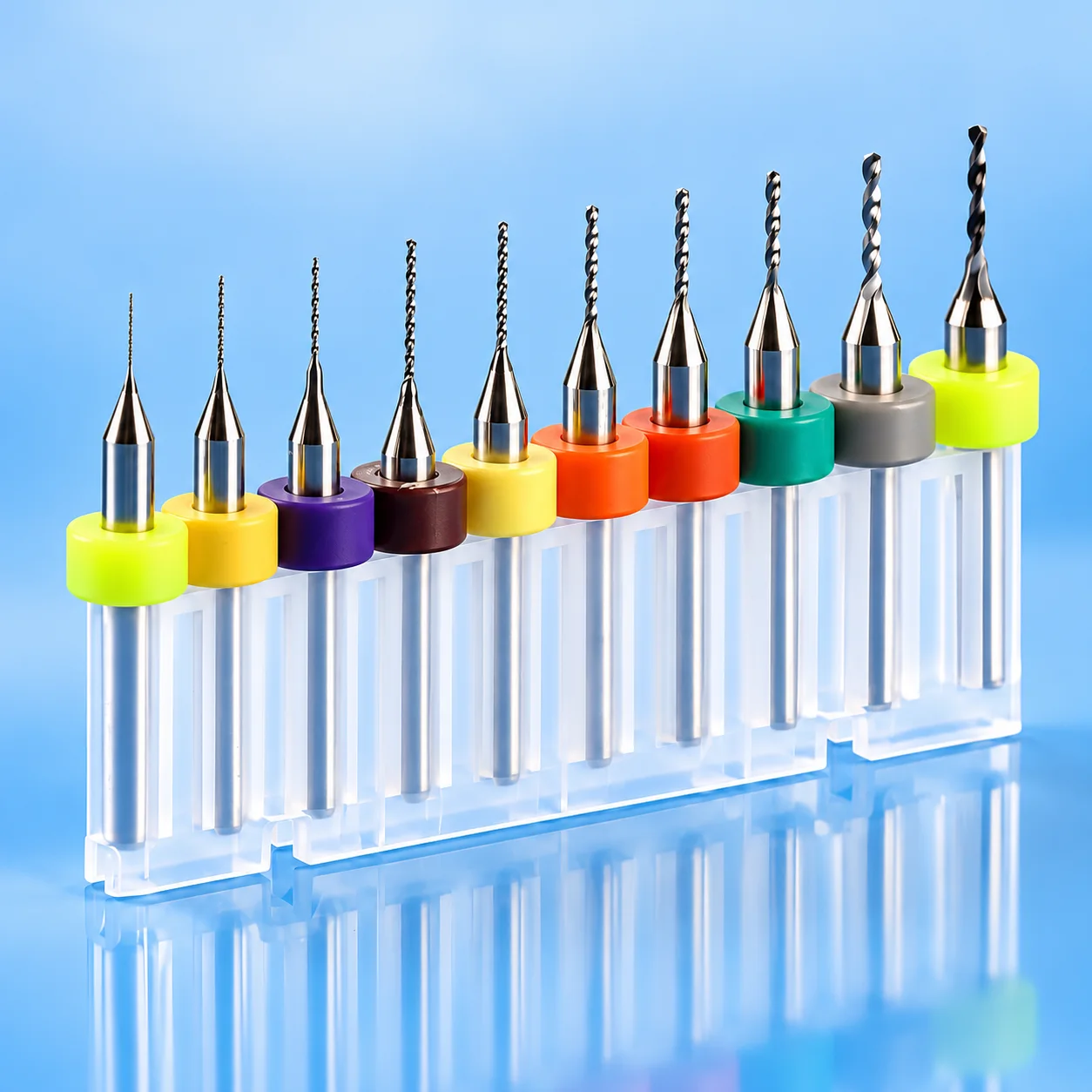
Quick answer: Carbide micro drills are selected around hole diameter, depth-to-diameter ratio, material, spindle runout, coolant delivery and required hole quality. A small drill can perform consistently when the tool, machine and inspection method are reviewed together.
Why micro-drilling needs a complete process review
At small diameters, a minor amount of runout or chip packing can change the cutting load significantly. Tool geometry alone cannot solve a machine setup that is unstable, so a useful inquiry includes the workpiece, hole feature, machine and production target.
Five details that improve carbide micro-drill selection
Hole diameter, depth and tolerance
State finished diameter, depth, entry and exit conditions, tolerance and whether the hole is through or blind. These details guide point geometry, flute length and margin design.
Workpiece material
Tool steel, stainless steel, aluminum, copper and engineering plastics all require different edge and chip-control decisions. Include hardness, coating or surface treatment where relevant.
Spindle and holder condition
Check runout at the tool tip, spindle speed capability, holder type, projection and machine vibration. A high-quality micro drill still needs a clean, accurate setup.
Coolant and chip evacuation
Deep or blind holes need a plan for chip evacuation. Through-tool coolant, peck strategy and entry conditions should be discussed before confirming the final geometry.
Inspection and delivery target
Define how diameter, position, burrs and surface condition will be inspected, together with quantity and required delivery date. This helps align production and quality expectations at the quotation stage.
Applications
- 3C and electronics components
- Precision medical and optical parts
- Mold and die features
- Automotive and general precision components
Standard or custom carbide micro drill?
Standard geometries can be efficient for repeat production when the material and feature match the catalogue range. A custom tool may be better when the hole is unusually deep, the material is difficult, or the part requires a special point, margin or shank. Explore the tungsten carbide range and send the drawing for review.
Frequently asked questions
What is the most common cause of micro-drill breakage?
Runout, chip packing, unstable workholding and incorrect entry or peck conditions are common causes. Review the complete process before changing only the tool.
Can carbide micro drills be made to a drawing?
Yes. Diameter, flute length, overall length, shank and point geometry can be reviewed around the feature and machine constraints.