
TECHNICAL INSIGHTS · October 19, 2026
PCD for High-Silicon Aluminum: A Selection Checklist
A process-focused guide to evaluating PCD tools for abrasive aluminum alloys while protecting surface finish and dimensional consistency.
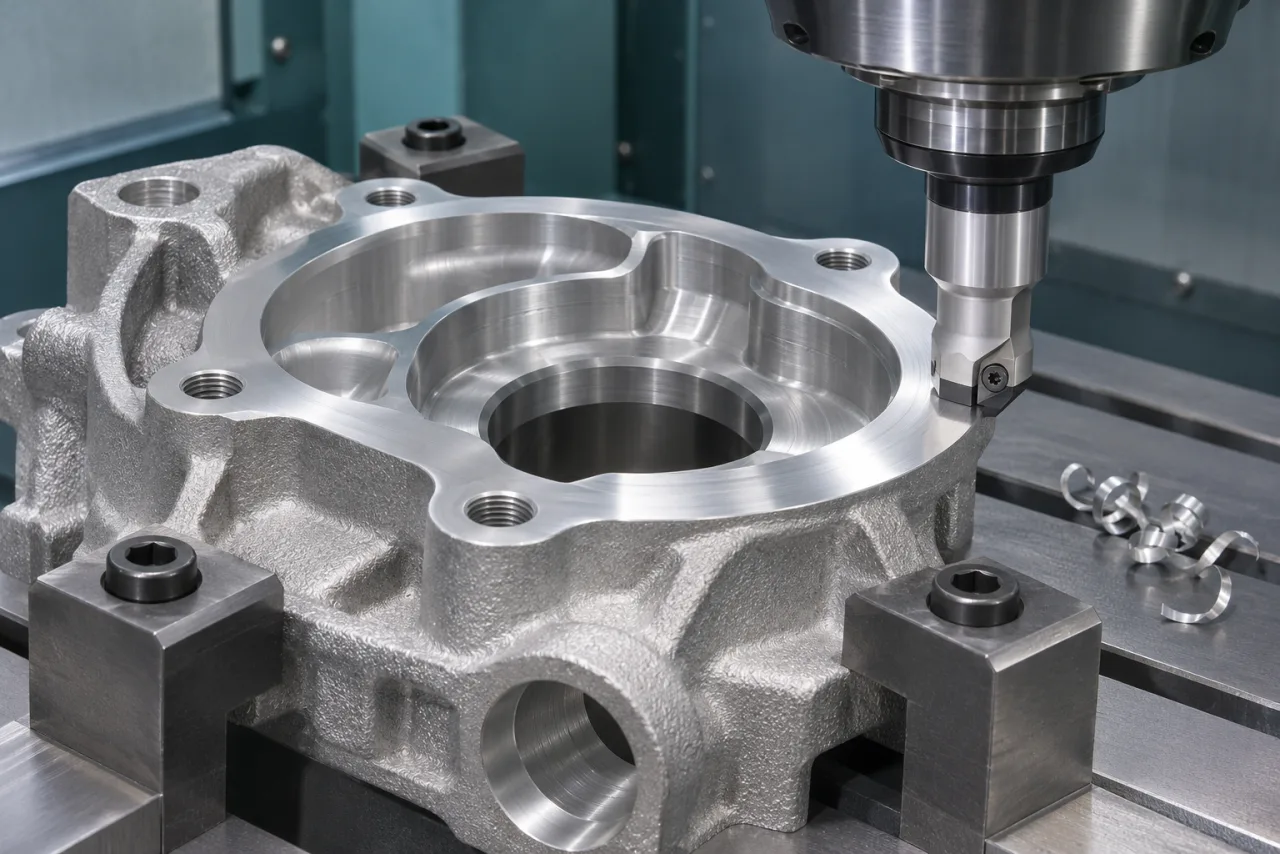
High-silicon aluminum can be challenging to machine because hard silicon phases contribute to abrasive wear. The right tool depends on the alloy, operation, machine stability and required surface quality. PCD is often evaluated for abrasive non-ferrous materials, but grade, edge preparation and cutting geometry still need to match the specific process.
Confirm the alloy and operation
Start with the exact alloy designation and, when available, its silicon content and heat-treatment condition. Then describe whether the operation is turning, face milling, slotting, drilling or finishing. The same alloy may behave differently under continuous and interrupted cuts, and a tool suitable for stable finishing may not be right for roughing with vibration.
PCD grade guidance from toolmakers differentiates applications by silicon content, grain structure and surface-finish requirements. A generic PCD-for-aluminum recommendation is a starting point, not a complete tool specification.
Review the edge and process stability
Check that cutting edge, rake, clearance and nose or corner geometry suit the operation. A sharp edge can help with clean cutting and finish, while the edge must also tolerate actual engagement and machine stability. Tool overhang, holder condition, spindle runout and workholding can lead to chatter or uneven loading that looks like a material or grade problem.
Chip evacuation matters, especially in pockets and deep features. Re-cut chips can mark the surface and add heat. Select coolant, air or dry machining according to toolmaker guidance, the machine and the alloy process; do not assume one approach suits every aluminum operation.
Use a simple selection checklist
- Material: exact alloy, silicon range, temper and casting or reinforcement details.
- Operation: turning, milling or drilling; continuous or interrupted engagement; stock allowance and depth of cut.
- Quality: surface finish, tolerance, burr limits and inspection method.
- Setup: machine rigidity, holder, runout, overhang, workholding and chip evacuation.
- Current issue: flank wear, edge chipping, built-up material, poor finish, dimensional drift or frequent changes.
- Trial measure: good parts per edge, surface results, changeover time, scrap and total cost per part.
Run a controlled trial
Record the starting condition and use representative production material. Inspect first parts, check the edge at planned intervals and keep the tool path and measurement method consistent. Follow supplier cutting-data recommendations and change only one variable at a time. If finish or dimensions drift, inspect the edge and chip flow before making a large speed or feed change.
The useful comparison is not just purchase price or tool life. Include acceptable parts, tool-change time, downtime, scrap and rework. A stable, repeatable process is the goal.
Shenzhen MicroDrill Precision Tools Co., Ltd. welcomes inquiries about PCD and tungsten carbide cutting tools. Any recommendation should be checked against the actual alloy and production conditions before release to series production.
Further reading: Seco Tools: PCD grade recommendations, including silicon aluminum alloys; Seco Tools: Piston machining in high-silicon aluminum.