
TECHNICAL INSIGHTS · October 19, 2026
PCD vs. Carbide Tools for Non-Ferrous Materials
A practical framework for comparing PCD and carbide by workpiece material, edge quality, process stability and cost per part.
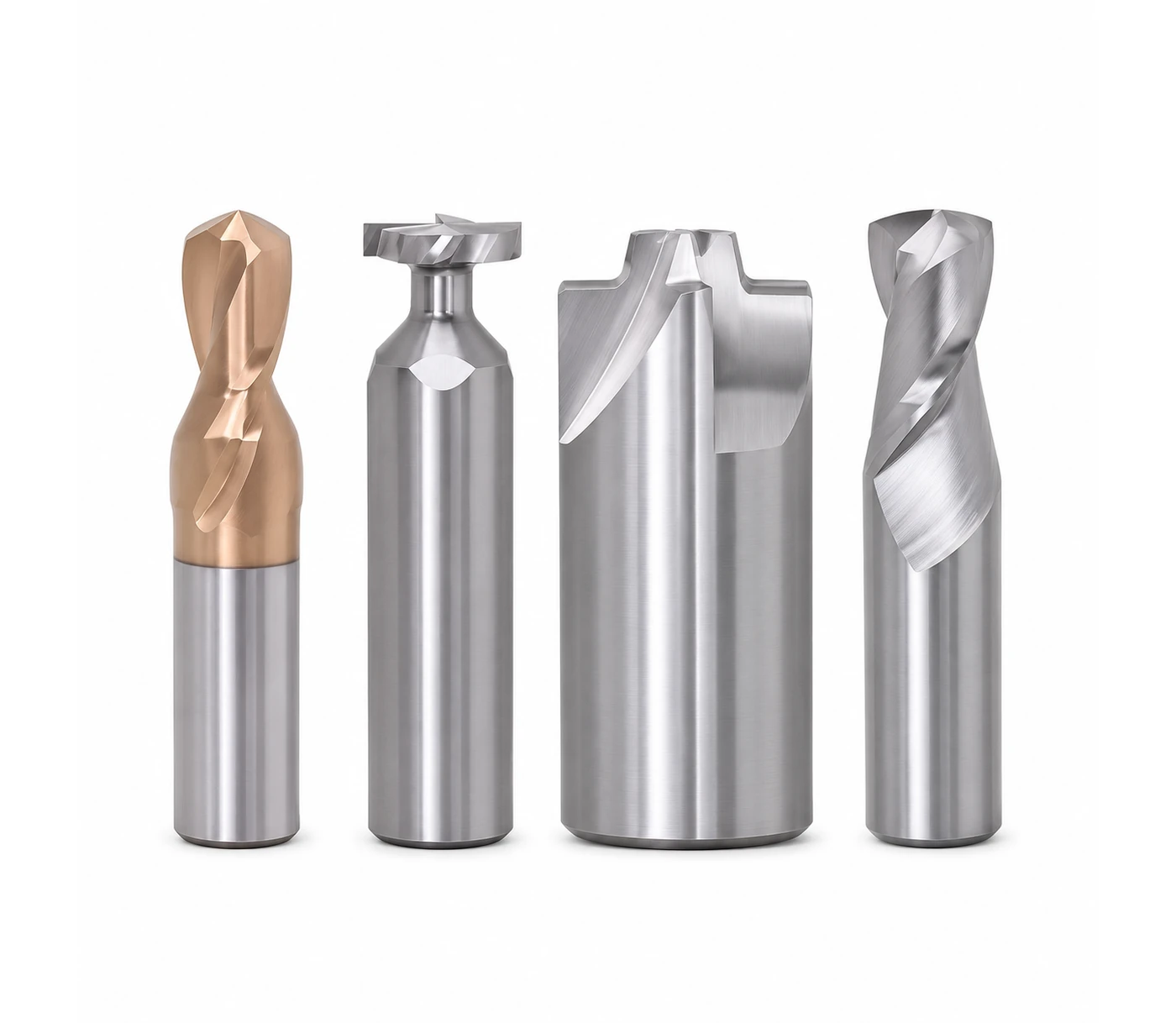
Choosing between polycrystalline diamond (PCD) and carbide is not simply a question of which material is harder. The better choice depends on the workpiece, cutting edge, machine setup, surface requirements and the cost of changing tools during production.
PCD is commonly considered for non-ferrous and abrasive workpieces, including aluminum alloys, copper alloys, graphite and fiber-reinforced composites. Its high wear resistance can help when abrasive particles quickly wear a conventional edge. Carbide remains a versatile choice across many materials and can be more suitable when the process is less stable, the cut is interrupted, or tool geometry and budget favor a conventional solution. Actual suitability depends on the grade and application.
Start with the workpiece
Record the exact alloy or material grade, not only a broad label such as aluminum or composite. Silicon content, reinforcement, filler and laminate construction can change how abrasive the cut is. For aluminum, also identify whether the operation is drilling, milling, turning or finishing. For composites, specify the fiber type, layup and whether the cut passes through a stacked material.
When a material is abrasive and the existing tool shows rapid flank wear or a falling surface finish, a PCD trial may be worth evaluating. Toolmaker guidance distinguishes PCD grades and edge characteristics for different silicon levels and finishing demands, reinforcing that PCD is not one universal grade.
Match the cutting edge to the operation
Edge sharpness and strength both matter. A very sharp edge can support a clean finish in a stable setup, while an interrupted cut, vibration or poor workholding may call for a more robust edge preparation. Flute count, rake, clearance, cutting diameter and runout affect chip formation and load at the edge. For micro tools, a small setup error can have an outsized effect on tool life and feature quality.
Do not choose a tool from material hardness alone. Check the machine and holder, spindle runout, tool overhang, workholding, chip evacuation and required finish. These are part of tool selection, not details to solve after the cutter is ordered.
Compare cost per good part
A higher purchase price does not automatically mean a lower production cost, and a longer life claim does not guarantee a better result in a different process. Run a controlled comparison using the same workpiece, tool path, inspection method and acceptance criteria. Track tool cost, good parts per edge, tool changes, cycle interruptions, scrap and rework. Keep starting cutting data within the toolmaker recommendation and change one variable at a time.
When a PCD discussion makes sense
Consider evaluating PCD when abrasive wear is the main limitation, when surface consistency matters over a longer production run, or when tool changes disrupt output. Carbide may remain the practical choice for general-purpose operations and less stable conditions. A focused application review can narrow the options before a sample trial.
For a useful review, share the part drawing, workpiece material, operation, machine and holder, current tool, cutting data, target finish and failure mode. Shenzhen MicroDrill Precision Tools Co., Ltd. welcomes application inquiries for tungsten carbide and PCD cutting tools; product configuration and suitability should be confirmed against each process.
Further reading: Seco Tools: PCD grade guidance; Sandvik Coromant: Milling tools selection guide (PDF).